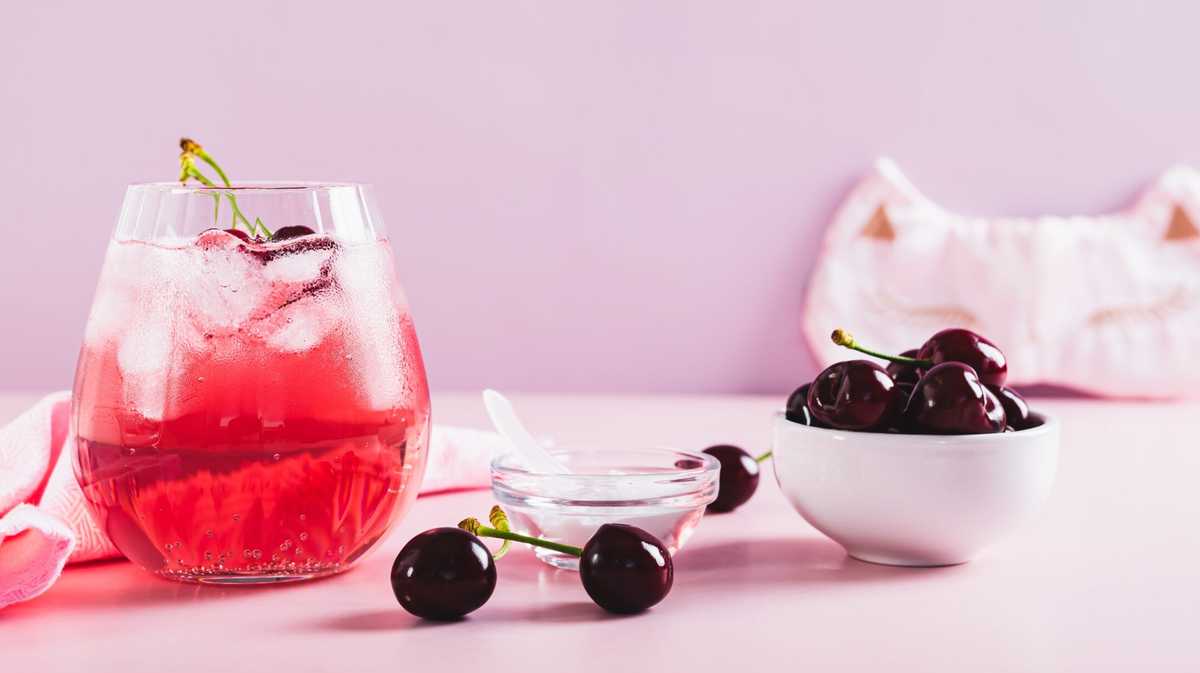
For anyone who has spent a sleepless night tossing and turning while mentally rehashing every awkward interaction of the workday, the allure of a quick fix is powerful. This desire has fueled the meteoric rise of magnesium mocktails across social media platforms like Instagram and TikTok. From the viral sleepy girl mocktail featuring tart cherry juice to fancy blends involving mint and lime, fitness influencers are pitching these drinks as science backed cures for anxiety and insomnia. Some creators go as far as urging followers to ignore personal anecdotes and trust the scientists, promising that these flavorful concoctions are the key to unlocking deep rest.
However, when looking past the aesthetic glassware and influencer testimonials, the scientific consensus is far less definitive. While magnesium is undeniably an essential mineral crucial for regulating blood pressure, producing protein, and maintaining heart and muscle function, its role as a sedative is still debated. Multiple reviews of clinical trials have yielded inconsistent results. While some small studies suggest modest improvements in sleep efficiency or insomnia severity, others find no significant difference between magnesium supplements and placebos. Experts note that because many of these studies are small or poorly designed, there isn’t enough high quality evidence to officially recommend magnesium as a primary treatment for sleep disorders.
Medical professionals suggest that for many users, the calming effect of a nighttime ritual may be more influential than the mineral itself. Dr. Pieter Cohen of Harvard Medical School suggests that if someone feels these mocktails are working wonders for them, it might simply be a placebo effect. Registered dietitians acknowledge that while these drinks aren’t guaranteed to work, they are generally a safer first step than jumping straight to prescription sleep aids, provided the individual doesn’t have underlying health conditions that make supplementation risky.
Furthermore, most healthy adults likely already consume enough magnesium through their regular diet without needing a trendy drink recipe. A simple meal consisting of spinach, almonds, and a banana can provide nearly half of the recommended daily allowance for men and women. Deficiencies usually occur only in specific cases involving malnutrition or chronic diseases like Crohn’s disease. Ultimately, while a magnesium mocktail might be a tasty addition to a bedtime routine, it appears to be more of a comforting habit than a clinically proven cure for stress.