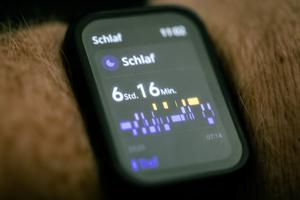
For many people, catching nine or more hours of shut-eye feels like the ultimate luxury, a way to fully recharge before facing another hectic day. However, new research suggests that consistently spending that much time in bed might be linked to unexpected health risks. In a comprehensive study following over 3,300 adults in Taiwan for more than three decades, researchers discovered that those who regularly slept nine hours or more faced a 17 percent higher risk of mortality from all causes compared to those who stuck to the recommended seven to eight hours.
Interestingly, the data did not show a similar spike in death specifically caused by cardiovascular disease, nor did it find a significant increase in mortality risk for short sleepers who got six hours or less. While these findings might seem alarming for those who love their long naps, experts caution against panicking or forcing yourself awake. The study identifies an association rather than a direct cause and effect, meaning that sleeping long hours does not necessarily create the health risk itself.
Instead, scientists believe that needing excessive amounts of sleep may act as a red flag for other underlying issues. For example, systolic blood pressure partly explained the link between long sleep durations and higher mortality rates in this group. Long sleep patterns could also be a symptom of poor sleep quality or hidden medical conditions that leave a person feeling chronically fatigued regardless of how many hours they spend unconscious.
Medical professionals suggest using this information as a prompt for self-awareness rather than a strict rule for bedtime. If you find yourself suddenly requiring far more sleep than usual or if you still wake up feeling exhausted after nine hours, it may be worth scheduling a checkup with a doctor. By monitoring blood pressure and maintaining a consistent daily routine, individuals can better understand whether their sleep habits are simply a personal preference or a signal from the body that something else requires attention.