For Amber Bates and her family in Cohutta, Georgia, the struggle to stay healthy has become a precarious financial balancing act. Living in a trailer home with her husband, their young son, and her mother-in-law, Bates finds herself caught in a frustrating gap where her income is too high for Medicaid but far too low to afford private insurance. After enhanced Affordable Care Act subsidies expired late last year, the burden grew heavier, forcing the family to spend roughly a third of their income on prescriptions and rely on emergency rooms as their primary source of medical care simply because they are not billed upfront.
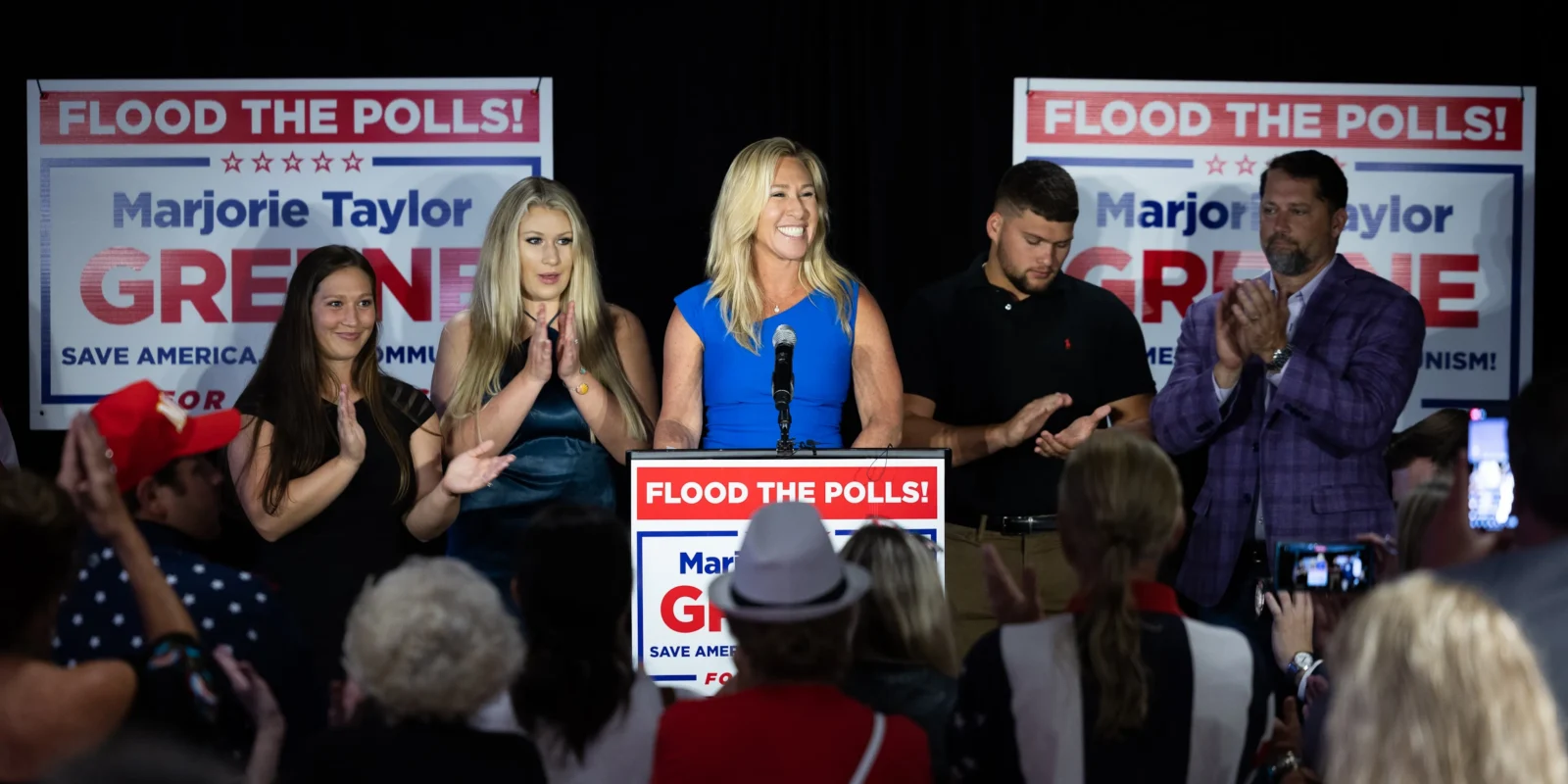
This experience is common across Georgia’s 14th Congressional District, the most conservative region in the state. Despite the mounting pressure of rising costs and a growing number of uninsured residents, the local political landscape remains remarkably stagnant. Even as former Representative Marjorie Taylor Greene recently broke ranks with her party to call the loss of these subsidies catastrophic for her constituents—and her own adult children—the broader electorate continues to align with the GOP platform. For voters like Bates, there is a recognized flaw in leadership and a sense that domestic economic struggles are being ignored in favor of foreign conflicts, yet she describes herself as remaining all in for Donald Trump.
Political analysts suggest that ideological loyalty outweighs economic hardship in districts like this one. Charles Bullock, a professor of political science at the University of Georgia, notes that many voters are willing to stick to the party line regardless of their personal financial losses. Because Obamacare remains a dirty word among deep conservatives, many continue to view any government-backed health initiative with suspicion, even when those very programs provided them with affordable coverage. This disconnect allows policymakers to roll back benefits without fearing significant electoral consequences from their base.
The numbers paint a stark picture of the regional crisis. Nearly fourteen percent of non elderly residents in the 14th District were uninsured in 2024, surpassing the national average. New legislative hurdles such as stricter enrollment periods and additional fees have further complicated access to care throughout Georgia. While polling indicates that many MAGA supporters believe Congress acted wrongly by letting subsidies expire, this dissatisfaction rarely translates into a change of heart at the ballot box. As newly elected Representative Clay Fuller seeks a full term this November, it appears likely that partisan identity will continue to trump healthcare accessibility in northwest Georgia.