In an era defined by rising rates of adolescent anxiety and depression, experts are pointing toward the playing field as a vital sanctuary for young people. With teenagers spending an average of seven hours a day tethered to screens, the resulting social isolation and pressure from social media have created a burgeoning mental health crisis. However, advocates like Jason Sacks of the Positive Coaching Alliance and Jennifer Brown Lerner of the Aspen Institute suggest that organized sports offer more than just physical exercise. They act as a form of essential mental health infrastructure, pulling youth away from digital stressors and placing them in environments where they must be fully present and socially connected.
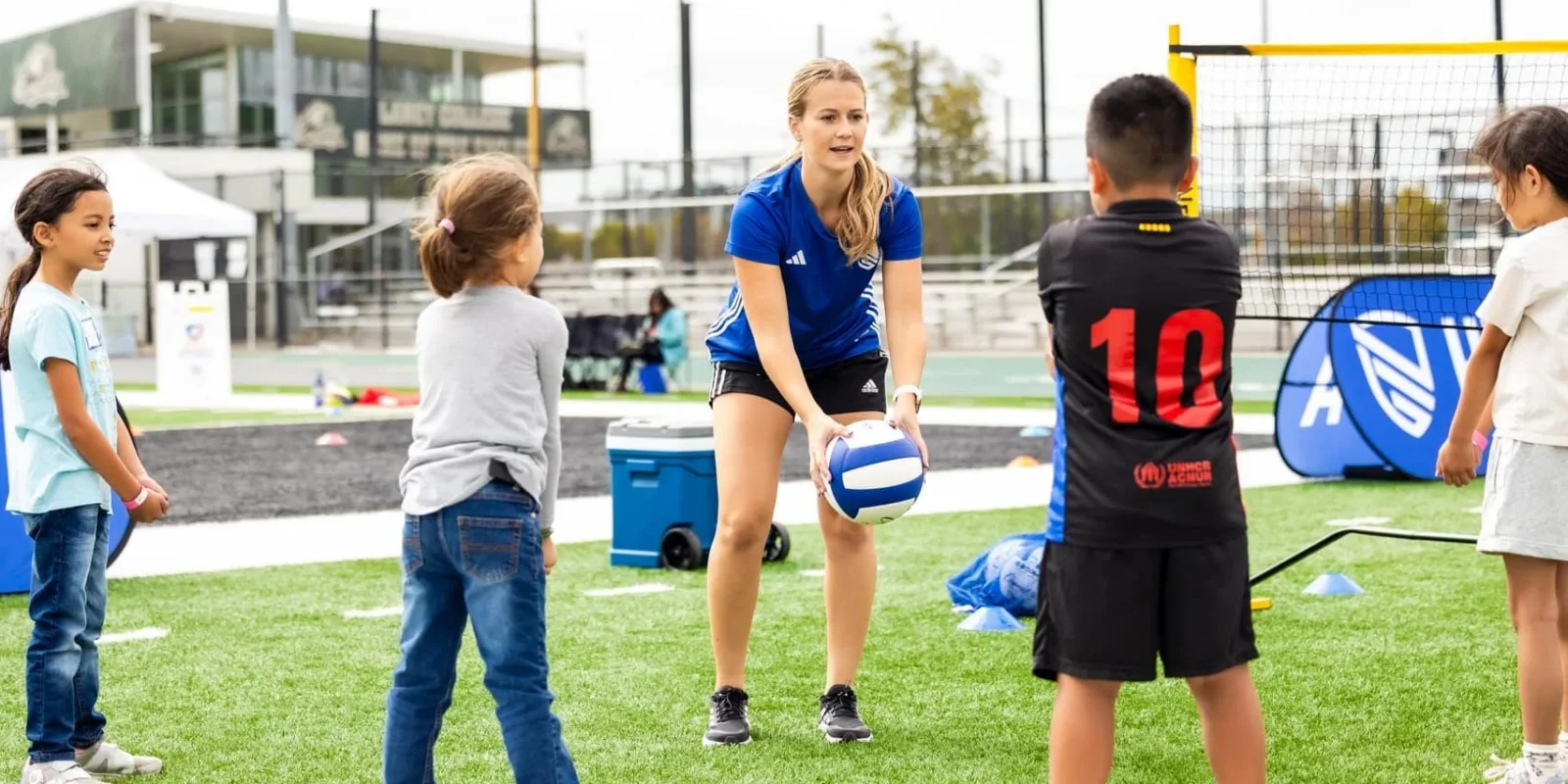
The power of sports lies largely in the relationship between the athlete and the mentor. A trained, supportive coach does more than teach a game; they provide a stable adult presence that helps children navigate failure, build self-esteem, and develop lasting resilience. This emotional scaffolding is critical during formative years, turning a simple afternoon practice into a lesson in coping skills and belonging. When implemented correctly, sports become a preventative strategy against mental illness, correlating strongly with improved academic performance and overall psychological well-being.
Despite these proven benefits, there is a widening gap in who actually gets to play. High registration fees, lack of transportation, and insufficient facility funding mean that the protective benefits of athletics are often reserved for families with the most resources. This inequity turns what should be a public good into a luxury item, leaving underserved communities without one of the most effective tools available for combating teen loneliness and stress. Without targeted intervention to expand access and train more quality coaches, millions of youth remain locked out of these life changing experiences.
To address this imbalance, leadership figures are calling for systemic shifts in how society views youth athletics. From investing in afterschool programs to scaling league accessibility in low income neighborhoods, the goal is to treat sports as a necessity rather than an extracurricular hobby. Some are even pushing for creative funding solutions, such as redirecting potential payouts from social media lawsuits into out of school time programming through initiatives like Fund IRL. By prioritizing equity in sports, proponents argue we can replace screen time with real world connection, giving every child the chance to find confidence and joy on their own terms.