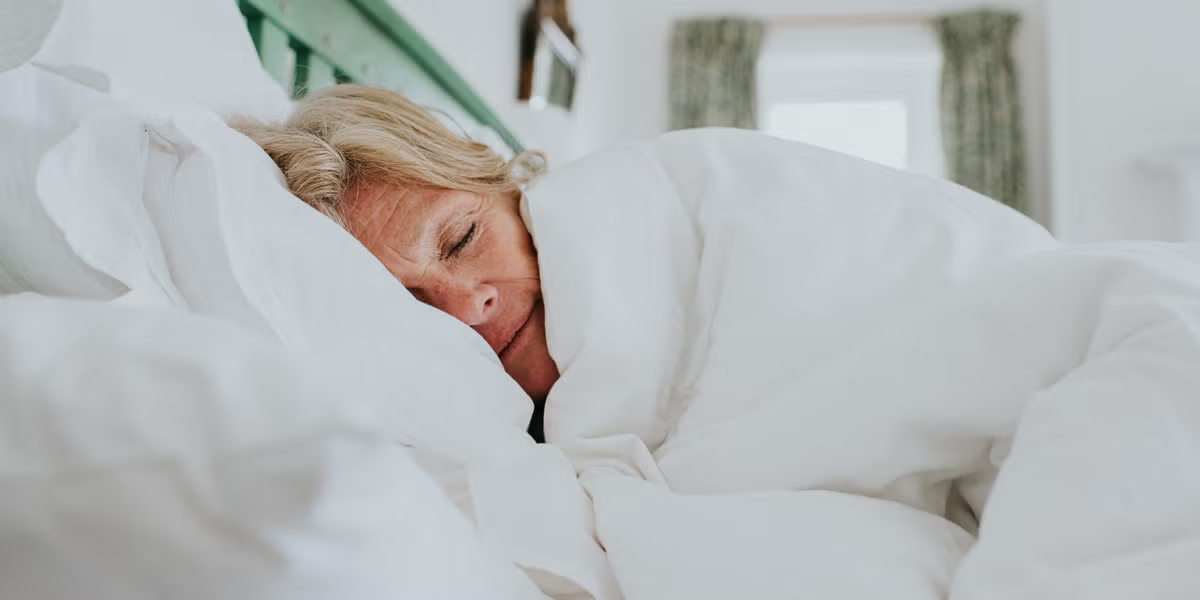
For years, health experts have insisted that the secret to a healthy life is a rigid sleep schedule, urging us to wake up at the same time every single day regardless of whether it is Tuesday or Sunday. However, a new study suggests there might be a liberating loophole for those who love to linger under the covers on their days off. Research presented at the European Society of Cardiology’s annual meeting indicates that catching up on missed sleep during the weekend may actually lower the risk of developing high blood pressure.
The study analyzed health data from nearly 41,000 Korean adults over several years to see how differences in sleep patterns affected hypertension. Researchers found that individuals who slept more on their non working days were less likely to suffer from high blood pressure than those who maintained a consistent but insufficient sleep schedule throughout the week. Interestingly, there appears to be a specific sweet spot for these benefits. Those who logged roughly one hour and twenty six minutes of additional sleep on their off days saw approximately nine percent lower odds of hypertension.
Cardiologists explain that this phenomenon occurs because deep, restful sleep allows the cardiovascular system to recover by lowering both heart rate and blood pressure. When someone chronically skimps on sleep during the work week, the body stays in a state of heightened activity, preventing that necessary nightly dip in pressure. While adding an extra ninety minutes of slumber on Saturday morning can help ease some of this nervous system tension, doctors warn that this should not be viewed as a license to ignore sleep hygiene from Monday through Friday.
Ultimately, medical professionals emphasize that while recovery sleep is helpful, it cannot replace a foundation of consistent rest and overall wellness. Specialists note that treating issues like sleep apnea and maintaining a heart healthy diet remain far more critical than any weekend nap. The goal should still be achieving adequate nightly durations, though patients can now feel slightly better about hitting the snooze button once or twice before starting their weekend.