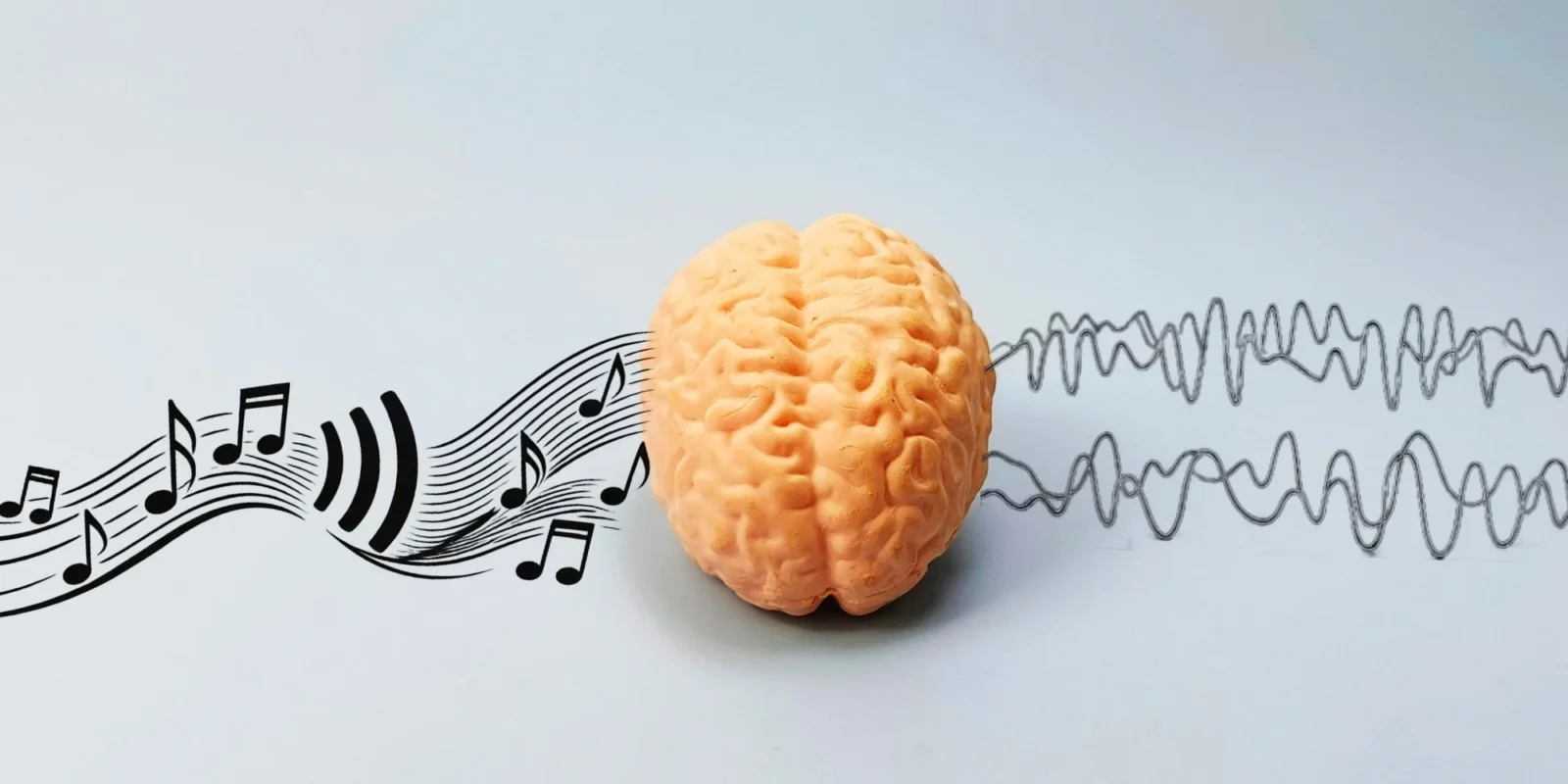
For years, the soft melodies playing in the background of psychedelic therapy sessions were viewed as little more than atmospheric noise, intended to keep patients calm while the medication did the heavy lifting. However, new research suggests that music may actually be an active ingredient in the healing process. A recent narrative review published in NPJ Mental Health Research argues that music functions as a hidden therapist, interacting with the drugs and the clinical setting to shape the profound emotional and mystical experiences that lead to recovery.
This shift in perspective comes as medical professionals look for alternatives for patients with treatment resistant depression who haven’t responded to traditional antidepressants. Psychedelic assisted psychotherapy combines substances like psilocybin with structured psychological support, often producing rapid improvements in a patient’s sense of purpose and emotional processing. While these results are promising, scientists are finding it difficult to standardize treatment because they are dealing with a complex web of variables where the environment and the soundtrack play a pivotal role.
The power of music lies in its ability to engage vast networks within the brain. Beyond simple hearing, music triggers regions responsible for memory, reward, and emotion, including the amygdala and hippocampus. By activating dopaminergic pathways associated with euphoria and modulating the default mode network—the part of the brain tied to our sense of self—music does more than soothe; it provides a structural framework for the journey. For many patients, resonance with the music is directly linked to shorter term reductions in depression.
Despite its potential, integrating music into formal psychiatric care remains a challenge due to a lack of evidence based guidelines. Because every person responds differently to rhythm and melody, creating a universal playlist is nearly impossible. Researchers now believe that instead of treating music as an accessory, they must view it as a core component of a complex intervention. Moving forward, understanding how music guides aromatic arousal and contains intense emotions could be the key to unlocking more predictable and effective outcomes for those struggling with severe mental illness.