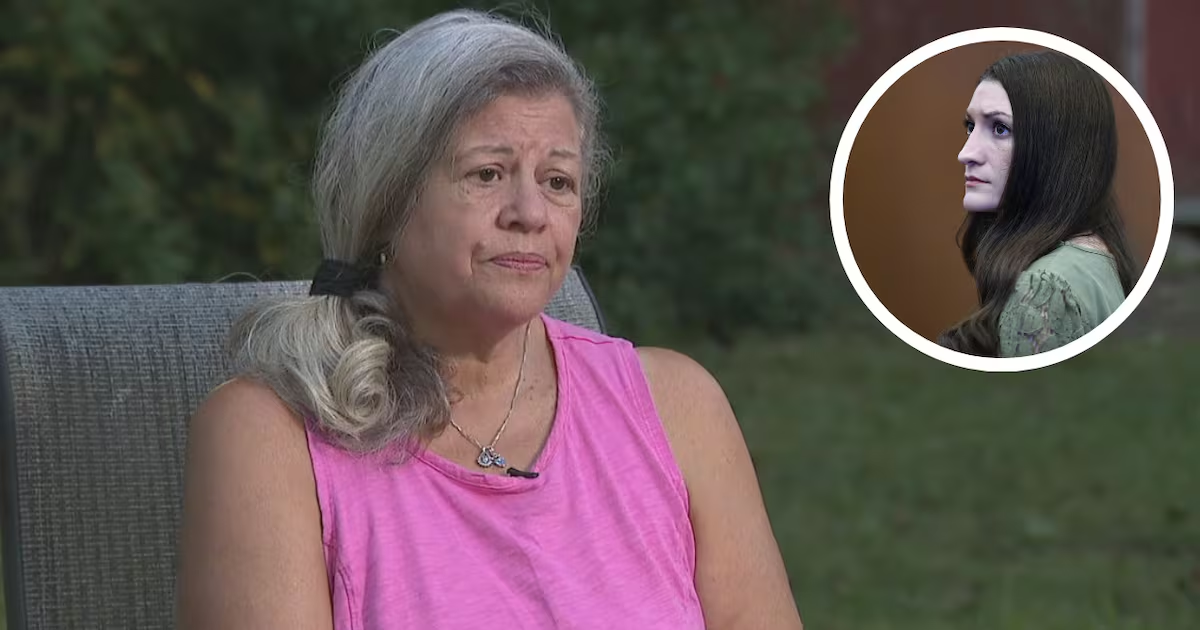
Paula Devlin spent five weeks in a courtroom this summer witnessing the harrowing details of the Lindsay Clancy case, but it was a recent policy announcement from Governor Maura Healey that finally brought her to tears. Speaking with Boston 25, the sixty five year old juror expressed profound emotion after learning that the governor is proposing over two million dollars in investments for postpartum detection and care throughout Massachusetts. For Devlin, who was among the majority of jurors believing Clancy should have been found not guilty by reason of lack of responsibility, the move represents a long overdue systemic shift.
During her forty hours of deliberations, Devlin says the evidence pointed clearly toward a psychotic break, leading her to believe that better medical intervention could have prevented the tragedy that claimed the lives of three children. She admitted she expected it might take another decade before such meaningful changes were discussed, expressing shock that officials are acting so quickly to address these gaps in maternal mental health. To Devlin, seeing these resources prioritized feels like a form of justice for the victims born out of an unthinkable sadness.
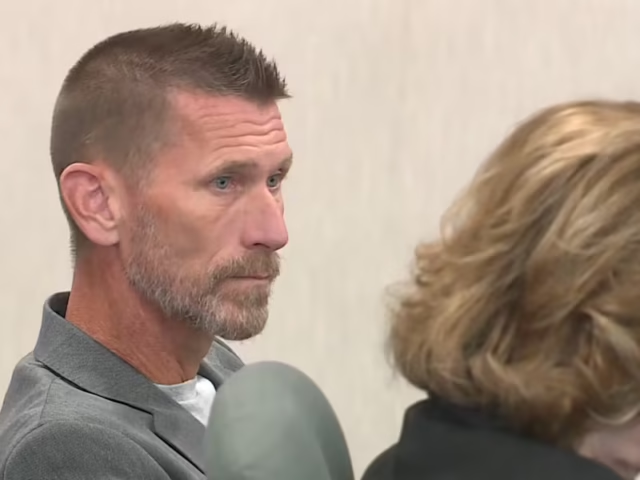
The aftermath of the mistrial has not been easy for those involved, as public scrutiny and online attacks targeted one particular juror who held out against the not guilty verdict. Despite her disagreement with his position, Devlin defended him, arguing that citizens should not be afraid to serve on juries due to fear of harassment. She emphasized that they were simply twelve ordinary people attempting to navigate complex evidence under immense pressure.
As Judge William Sullivan moves to protect juror identities by impounding their names indefinitely, Devlin shared her hope that a retrial will not be necessary. Having seen the toll the proceedings took on both families and the legal team, she believes focusing on prevention is far more valuable than repeating a painful court process. If these new state investments can prevent future tragedies, she believes that provides more closure than any single verdict ever could.