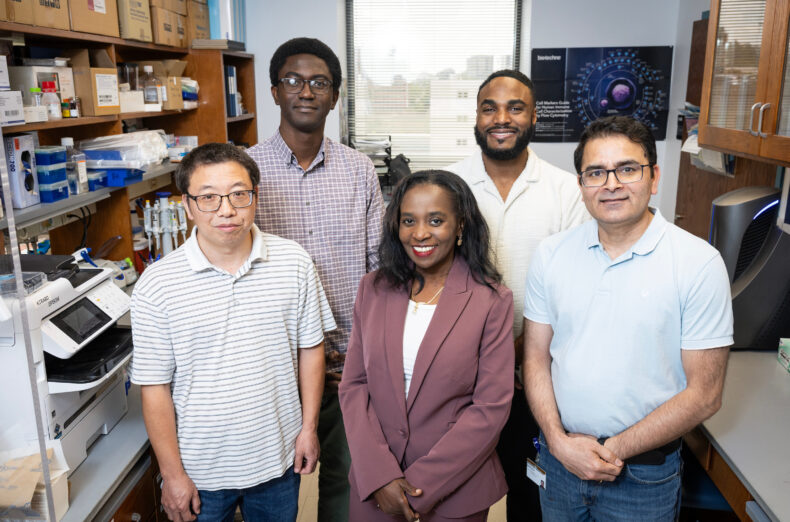
For many people, a salty dinner is nothing more than a craving satisfied, but for others, it can trigger a dangerous spike in blood pressure. This condition, known as salt sensitivity of blood pressure, acts as a silent killer because it often goes undiagnosed until it leads to a catastrophic event like a heart attack or stroke. According to Dr. Annet Kirabo and her team at Vanderbilt Health, roughly half of all people with hypertension and a quarter of those without it suffer from this exaggerated reaction to sodium, significantly increasing their risk of cardiovascular disease.
While the danger has long been recognized clinically, the biological reason why some bodies react so violently to salt has remained elusive. New research published in the journal Circulation Research suggests the answer may lie within the immune system rather than just the kidneys or heart. The team identified a specific signaling pathway called the AP-1 complex that serves as the link between dietary sodium and immune-driven hypertension. Essentially, when certain immune cells encounter high levels of salt, the AP-1 complex triggers an inflammatory response that damages blood vessels and impairs kidney function, driving blood pressure upward.
To prove this connection, lead researcher Taseer Ahmad conducted experiments using both human volunteers and mouse models. By transferring immune cells from salt-sensitive humans into mice, the team successfully replicated the hypertensive response. More importantly, they found that blocking the AP-1 signaling pathway could prevent these harmful effects entirely. This discovery provides a concrete molecular target for future medications that could protect vulnerable patients regardless of their overall salt intake.
These findings arrive at a critical time since far too few Americans follow national sodium guidelines. With average daily consumption exceeding recommended limits by over 800 milligrams, most people are exposed to chronic salt overload. While reducing salt remains the primary advice for health professionals, Dr. Kirabo notes that identifying targets like AP-1 offers hope for precise medical interventions for those whose biology makes them uniquely susceptible to the dangers of common table salt.