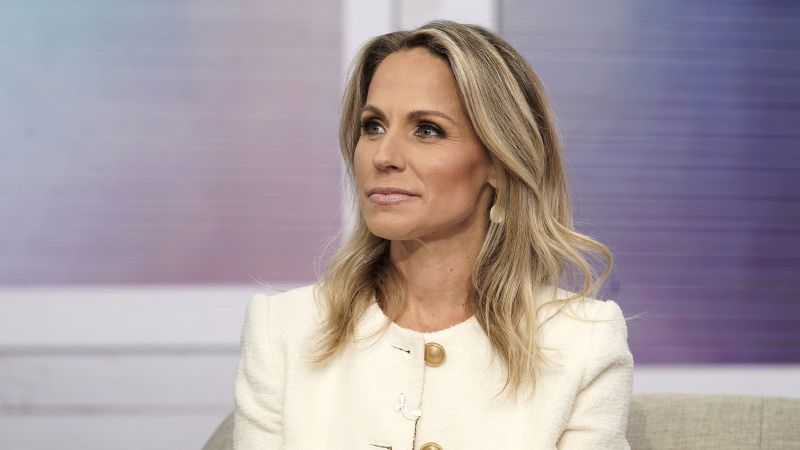
President Donald Trump’s nomination of Dr. Nicole Saphier for U.S. surgeon general marks a potential shift in how the federal government communicates health guidance to the American public. Unlike previous nominees, Saphier enters the spotlight as an established health and wellness influencer with hundreds of thousands of followers across various social media platforms and podcasts. While the role of surgeon general has always functioned as a primary source of national health advice, Saphier represents a new era where the boundaries between official medical authority and digital branding are increasingly blurred.
The appointment comes at a time when traditional institutions are struggling to maintain their grip on public trust. According to data from the Pew Research Center, roughly four in ten adults now rely on influencers and podcasts for their wellness information, frequently bypassing traditional clinicians entirely. For supporters, appointing someone who already understands the language of social media could be a strategic advantage in fighting misinformation and reaching younger generations. However, critics argue that building a personal brand is fundamentally different from leading the Public Health Service Commissioned Corps. Former Surgeon General Jerome Adams noted that while influence is a useful tool, the actual job requires following scientific evidence even when it proves politically inconvenient.
Questions regarding transparency and conflict of interest also loom over Saphier’s candidacy. Beyond her medical credentials, she is the creator of Drop Rx, a brand selling liquid herbal supplements that include disclaimers stating their claims have not been evaluated by the FDA. This intersection of private business and public health leadership raises concerns among experts like Dr. Anne Cappola, who suggests that financial incentives inherent in influencer culture can muddy the waters of objective medical advice. When profit motives enter the equation, the perceived integrity of the office may be called into question by those already skeptical of government mandates.
Ultimately, Saphier’s success may depend on whether she can transition from being a personality focused on individual wellness to a leader responsible for collective national health. Experts suggest that trust today relies on pillars of authority and benevolence, which manifest differently online than they do in a government agency. As she faces Senate confirmation hearings, the central debate remains whether her ability to capture attention via an algorithm will translate into an ability to guide a diverse nation through complex public health crises without compromising scientific rigor for likes or follows.