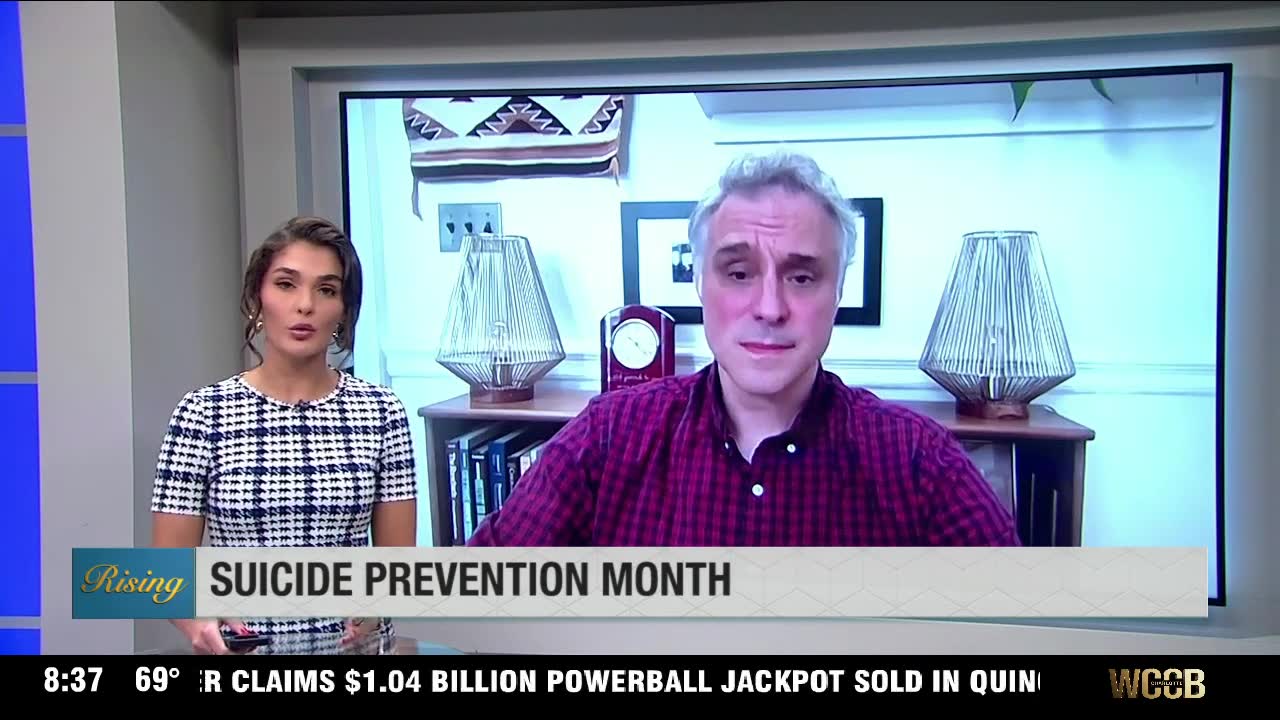
As September marks the arrival of Suicide Prevention Month, health experts are shining a spotlight on a sobering trend across the United States. While mental health struggles affect people of all backgrounds, there remains a stark disparity in outcomes between genders, with men accounting for nearly 80 percent of all suicide deaths. This gap has prompted specialists to urge more open dialogue regarding the unique pressures men face and the systemic barriers that often keep them from finding support.
Dr. David Alperovitz, a psychologist at Harvard Medical School, recently joined WCCB Rising to discuss the specific risk factors that contribute to these numbers. He noted that many warning signs in men go unnoticed because they do not always align with traditional stereotypes of depression. Rather than appearing sad or withdrawn, some men may exhibit irritability or anger, which can lead friends and family to overlook an underlying crisis until it reaches a breaking point.
One of the primary challenges identified by Dr. Alperovitz is the lingering reluctance among men to seek professional help. Societal expectations around strength and self-reliance often frame vulnerability as weakness, creating a psychological barrier that prevents men from admitting they are struggling. To combat this, he emphasizes the role of loved ones in initiating gentle but direct conversations, encouraging those who are worried to step forward and offer their support before a situation escalates.
The overarching message this month is one of accessibility and urgency. Experts stress that while community support is vital, professional intervention is essential for long term recovery. For anyone currently navigating a mental health crisis or fearing for a loved one’s safety, immediate assistance is available by calling or texting 988 to connect with the Suicide and Crisis Lifeline.