Walking down a modern supermarket aisle reveals a staggering array of thousands of products sporting the certified gluten free seal. While these processed alternatives provide a vital safety net for those with celiac disease, wheat allergies, or digestive sensitivities, health experts suggest that the specialty aisle should not be the primary destination for every meal. Alison Kane, a dietitian at Harvard affiliated Massachusetts General Hospital, notes that jumping straight to packaged substitutes can lead to nutritional gaps. Many of these items rely on refined starches that lack the essential fiber, iron, and B vitamins commonly found in enriched wheat flours, all while coming with a significantly higher price tag.
The key to a healthier approach lies in focusing on foods that are naturally devoid of gluten. This includes vast categories such as fresh fruits, vegetables, meats, poultry, seafood, beans, nuts, and seeds. Even most minimally processed dairy products like milk and natural cheeses fit the bill, though consumers are cautioned to read labels on yogurts and reduced fat options which may contain hidden thickeners. When it comes to grains and starches, there are plenty of hearty options beyond the processed bread shelf including brown rice, quinoa, buckwheat, millet and cornmeal. Even oats can be enjoyed provided they carry a certified gluten free label to ensure they weren’t contaminated during processing.
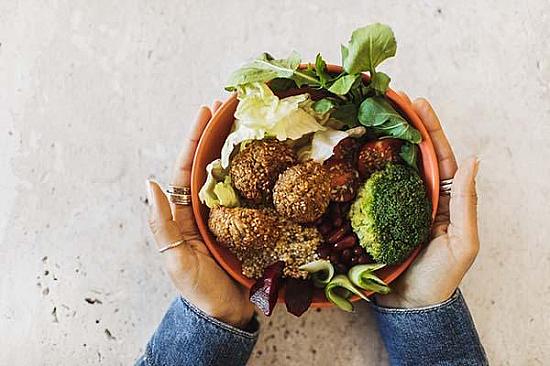
Building balanced meals around these whole foods is simpler than many realize. Kane recommends visualizing a dinner plate where half is filled with nonstarchy vegetables like broccoli or leafy greens, one quarter consists of a lean protein such as tofu or fish, and the final quarter features a naturally gluten free starch like sweet potato or wild rice. By shifting the mindset from substituting to swapping, eaters can find more satisfying alternatives. Rather than relying on expensive gluten free crackers for a snack, an apple paired with cheese or almonds with grapes offers better nutrition and flavor.
Integrating these habits into a busy schedule often comes down to smart preparation. Cooking a large batch of quinoa or millet at the beginning of the week allows for quick assembly of grain bowls or stir fries throughout the workweek. Breakfast can also be reimagined by trading toasted gluten free bread for vegetable omelets or Greek yogurt topped with fresh berries and nuts. From using roasted sweet potato slices as avocado toast bases to stocking drawers with roasted chickpeas and hummus, embracing naturally gluten free foods transforms restrictive dieting into an opportunity for culinary creativity and improved overall wellness.