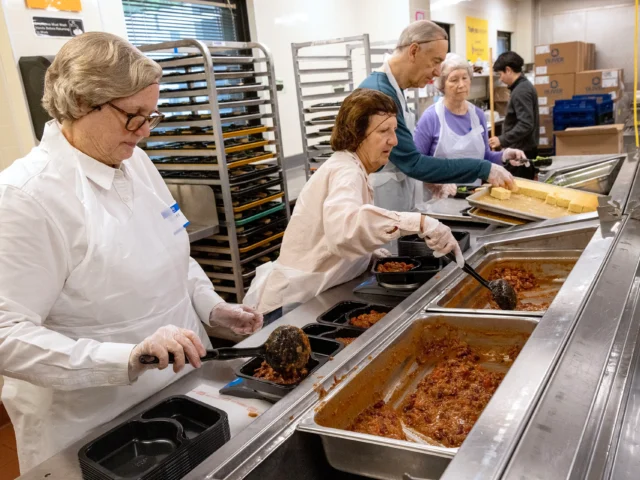
In Tulsa, a growing coalition of healthcare providers and community organizers is redefining medicine by moving the point of care from the clinic to the kitchen. Ascension St. John has teamed up with groups like RG Foods to treat food insecurity not just as a social problem, but as a critical public health crisis. By focusing on what officials call the social determinants of health, these organizations are attempting to curb chronic conditions like diabetes and heart disease by ensuring families have reliable access to fresh, nutritious produce long before they ever need to step foot in a hospital.
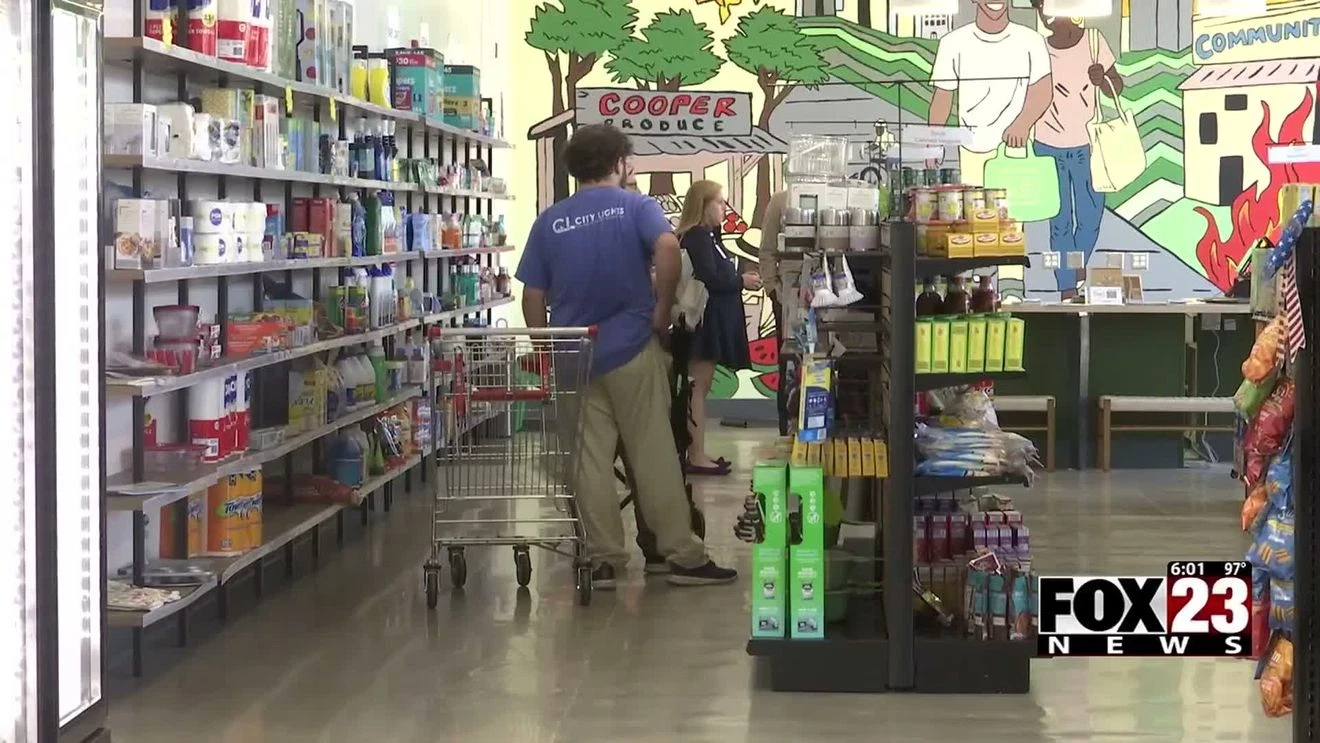
The scale of the challenge is significant, with data from the Food Bank of Eastern Oklahoma suggesting that one in seven residents in Tulsa County struggles with food insecurity, a number that jumps to nearly one in five among children. For many, this struggle isn’t necessarily about total starvation but rather the impossible choice between buying healthy groceries or paying for rent and medication. To fight this, RG Foods recently expanded its footprint with the opening of the Grocery Box at the Phoenix at 36N housing development. This strategic placement puts affordable food exactly where people live, serving thousands of households in a concentrated area and providing jobs to local residents in the process.
To make nutrition truly accessible for low income families, partners are leveraging programs like Double Up Oklahoma. This initiative effectively doubles the purchasing power of SNAP recipients, offering an additional twenty dollars a day specifically for fresh fruits and vegetables. According to Katie Plohocky, executive director of RG Foods, this creates a win win scenario where shoppers get essential nutrients and local farmers find a steady market for their crops. Ascension St. John has backed this effort across various locations, including select Reasor’s stores and downtown markets, viewing these subsidies as a form of preventive medicine.
This holistic approach represents a shift toward upstream healthcare, aiming to solve problems at their root rather than treating symptoms in an emergency room. Through over seventy five million dollars in investments into North Tulsa over the last five years, Ascension St. John is betting that improving housing and nutrition will lead to measurably better health outcomes for the city’s most vulnerable populations. As Kojo Asamoa Caesar, director of community health at Ascension St. John, puts it, your zip code should not dictate your quality of life or your longevity.