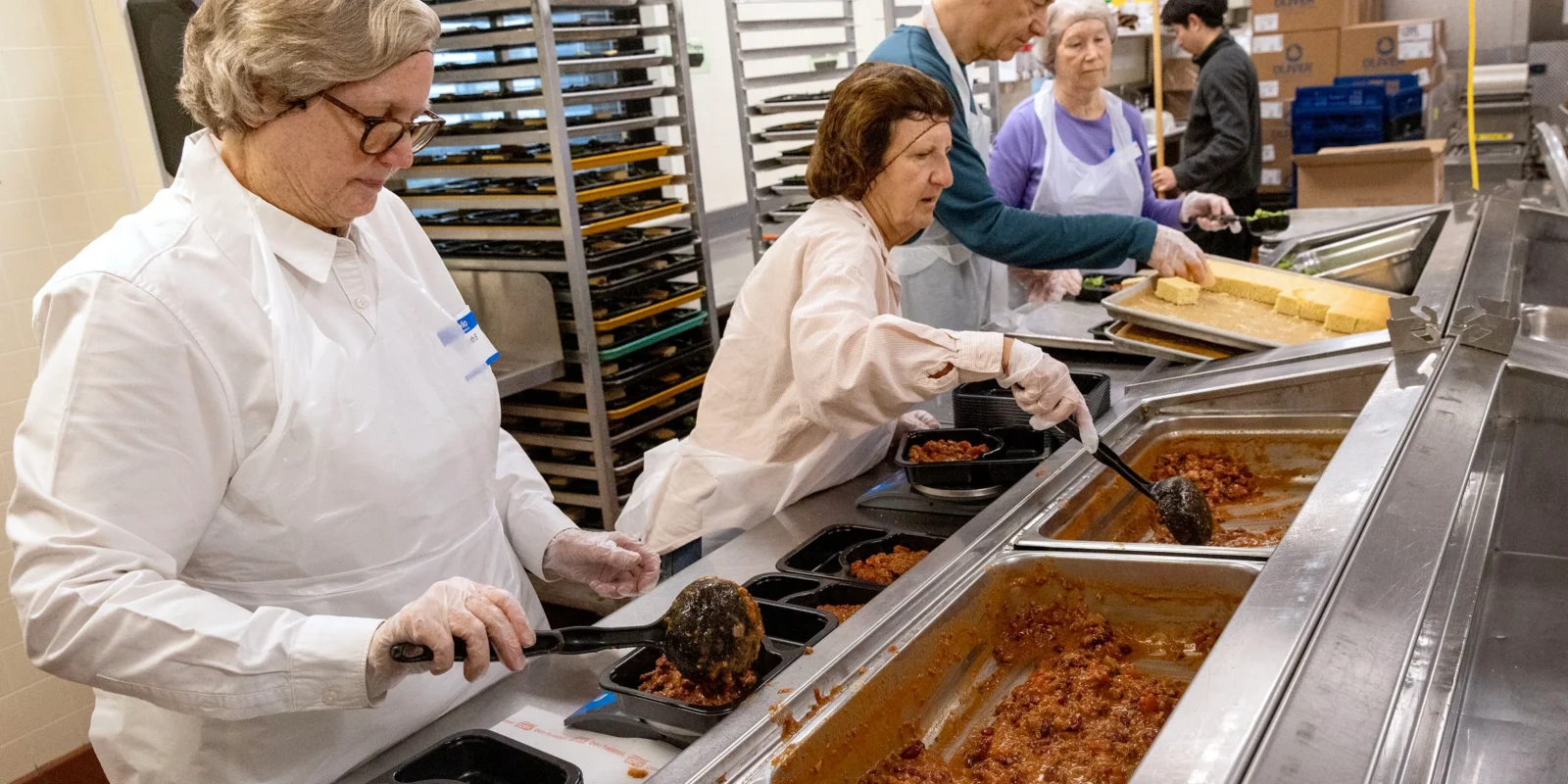
In a bustling kitchen in Boston, volunteers spend their mornings slicing chicken and stuffing bell peppers for a specialized delivery service designed to keep the city’s most vulnerable patients healthy. For people like Vanessa Georges, who is in remission from throat cancer, these medically tailored meals are more than just convenience; they are a lifeline. Georges credits the nutrient-dense food with helping her regain muscle mass and confidence while significantly reducing her reliance on frequent doctor visits. Her experience aligns with recent data showing that such programs can drastically lower emergency room visits and hospitalizations, effectively saving the healthcare system money by preventing crises before they happen.
Despite the proven clinical benefits, these programs now face an uncertain future due to sweeping federal budget shifts. The passage of the One Big Beautiful Bill Act has slashed projected Medicaid funding by over 900 billion dollars, leaving many states to grapple with massive financial holes. Some policymakers argue that federal health spending has become bloated or prone to fraud, specifically questioning whether Medicaid should cover non-clinical supports like nutrition and housing. This fiscal tightening puts thousands of participants at risk as states consider which essential services must be cut to balance their books.
Adding to the tension is a confusing set of signals coming from the current administration. On one hand, leadership figures like Robert F. Kennedy Jr. and Mehmet Oz have championed the idea that better nutrition prevents expensive surgeries and chronic illness. However, this rhetoric hasn’t yet translated into stable policy. Recent actions have seen the rescinding of previous guidelines for social-needs initiatives in Medicaid, replacing them with a more skeptical, case-by-case review process that leaves state health officials in limbo.
This regulatory vacuum has created a climate of anxiety for nonprofits and lawmakers alike. While proponents push for a national standard that recognizes food as medicine, efforts to pass pilot programs through Congress have stalled. Meanwhile, organizations providing these meals emphasize that their work is highly regulated and clinically driven, tailoring every tray to meet specific dietary restrictions for salt or fiber based on a patient’s medical history. Without clear federal guidance or protected funding, the very programs that reduce long term costs may be eliminated for short term savings.