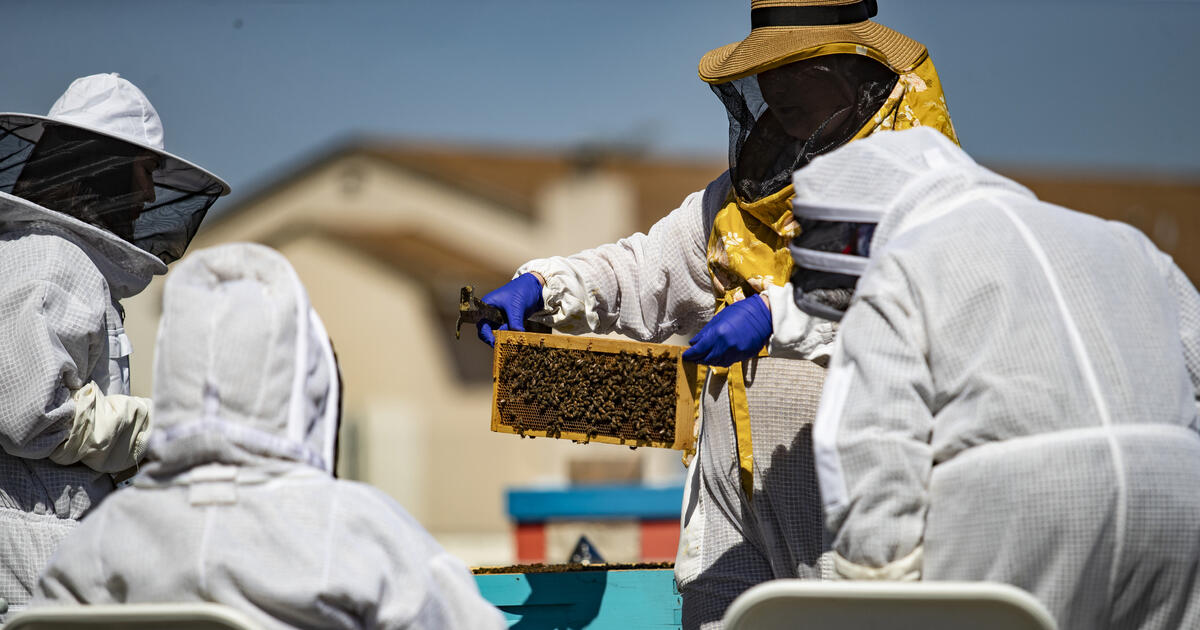
In a quiet corner of South Philadelphia, a group of older adults is finding an unlikely remedy for loneliness and anxiety amidst the steady hum of thousands of honeybees. Dressed in full protective gear, these participants are part of a pioneering study led by Meghan Robertson, a doctoral student in occupational therapy at Temple University. By partnering with the local organization Half Mad Honey, Robertson is exploring how therapeutic beekeeping can serve as a powerful tool for building confidence and emotional wellness in seniors facing the isolating transitions that often accompany aging.
The initiative stems from a desire to move beyond traditional clinical settings and embrace nature based interventions. While gardening and forest walks have long been recognized for their mental health benefits, Robertson noted that beekeeping remains largely unexplored as a therapeutic practice. Over the course of a six week program, participants dove into everything from bee biology to mindful hive interaction. The results have been more than just educational; for some, the experience has sparked a profound internal shift. One participant who entered the program terrified of bees later remarked that conquering those fears made them feel capable of tackling any challenge in their life.
This urban apiary also serves to debunk the myth that beekeeping belongs solely on remote farms. Amelia Mraz, the founder of Half Mad Honey and a Temple alumna, launched the organization during the pandemic after discovering that working with bees helped her manage her own struggles with depression and anxiety. By bringing this sensory experience into the city, Mraz and Robertson are creating accessible spaces where older adults can rediscover their sense of purpose and adventure through hands on learning and community connection.
According to Susan Connor, an associate professor at Temple’s occupational therapy program, such projects reflect a necessary shift toward immersive mental health support. As retirees navigate loss or changing roles in society, engaging with the natural world provides a way to stay active and connected. Looking ahead, Half Mad Honey plans to expand its reach into recovery centers and other community hubs, proving that the delicate relationship between humans and pollinators can foster resilience not only in our ecosystems but within ourselves.